
Product Search
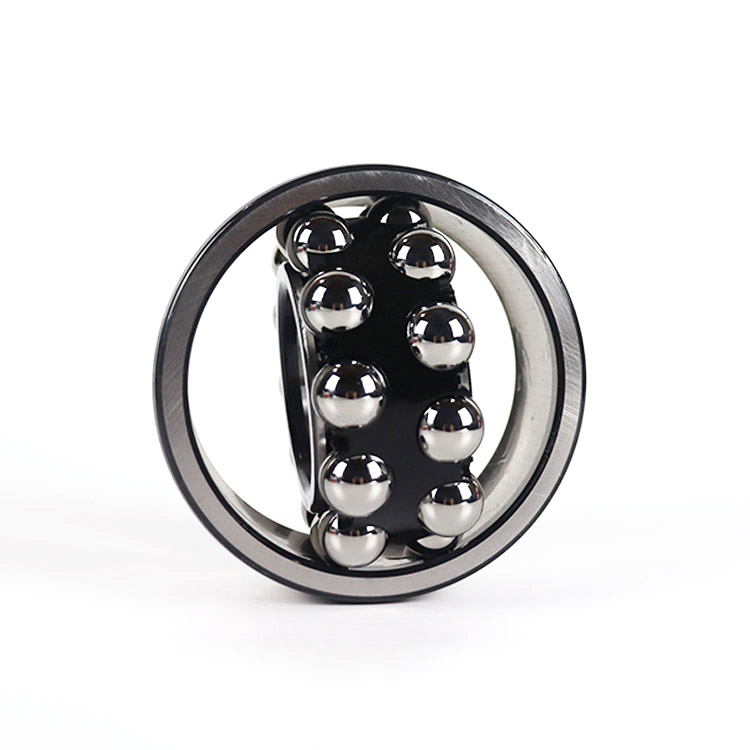
The self-aligning property of a self-aligning ball bearing is reflected in its ability to compensate for errors caused by misalignment and shaft deflection to a certain extent. Of course, this error has limits; the relative tilt between the inner and outer rings of a self-aligning ball bearing generally cannot exceed 3°. Like many other bearing products, self-aligning ball bearings also use a matching cage.
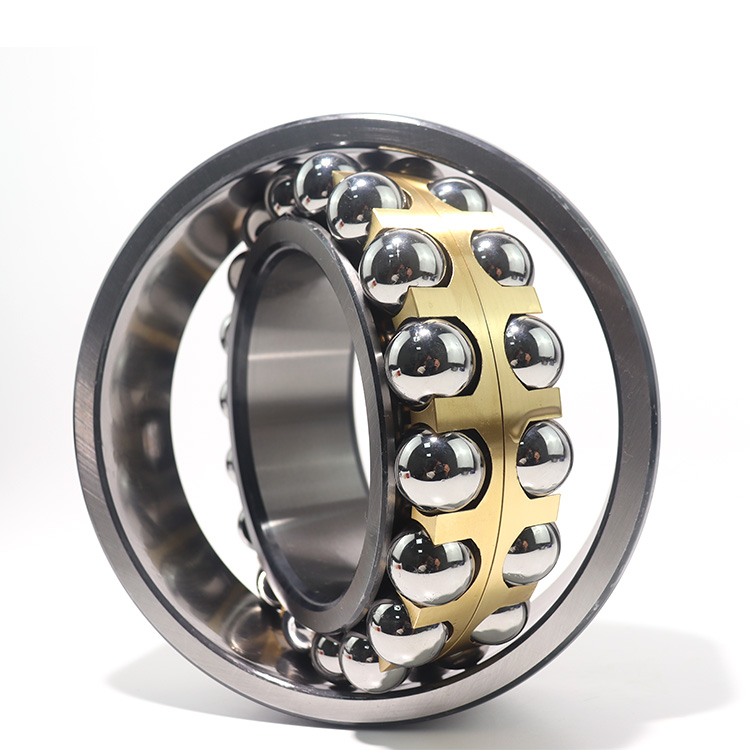
Self-aligning ball bearings feature spherical balls mounted between an inner ring with two raceways and an outer ring with a spherical raceway. The center of curvature of the outer ring raceway aligns with the center of the bearing, providing the same self-aligning function as self-aligning ball bearings. These bearings automatically adjust to shaft or housing deflection without adding strain to the bearing.
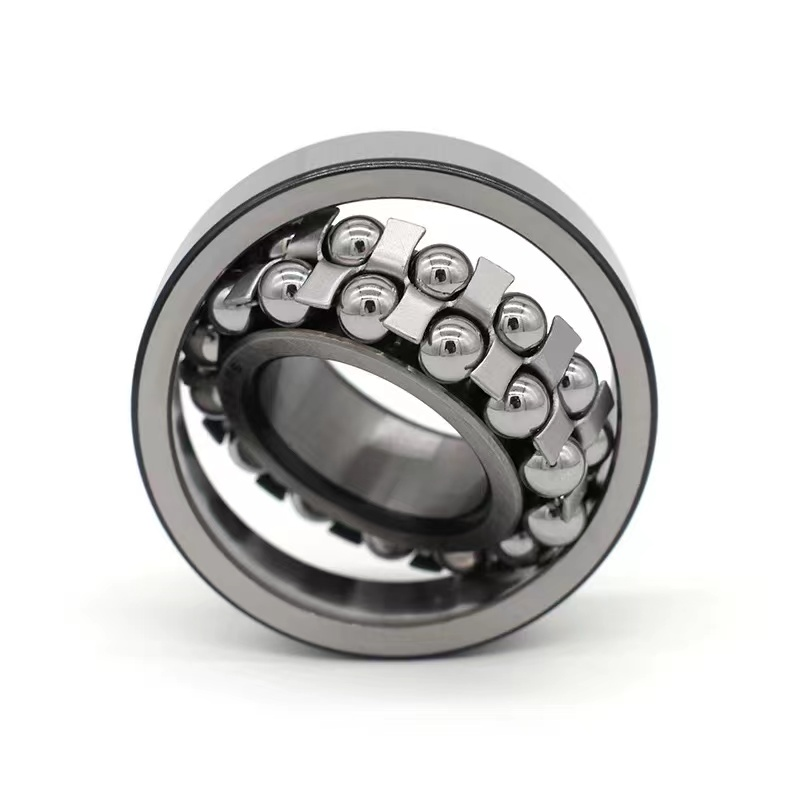
Self-aligning ball bearings operate based on rolling friction. The rolling elements roll between the inner and outer rings, reducing frictional losses and improving efficiency. The spherical design of the outer ring allows the bearing to automatically adjust within a certain angle, minimizing the effects of improper installation or eccentric forces generated during operation.
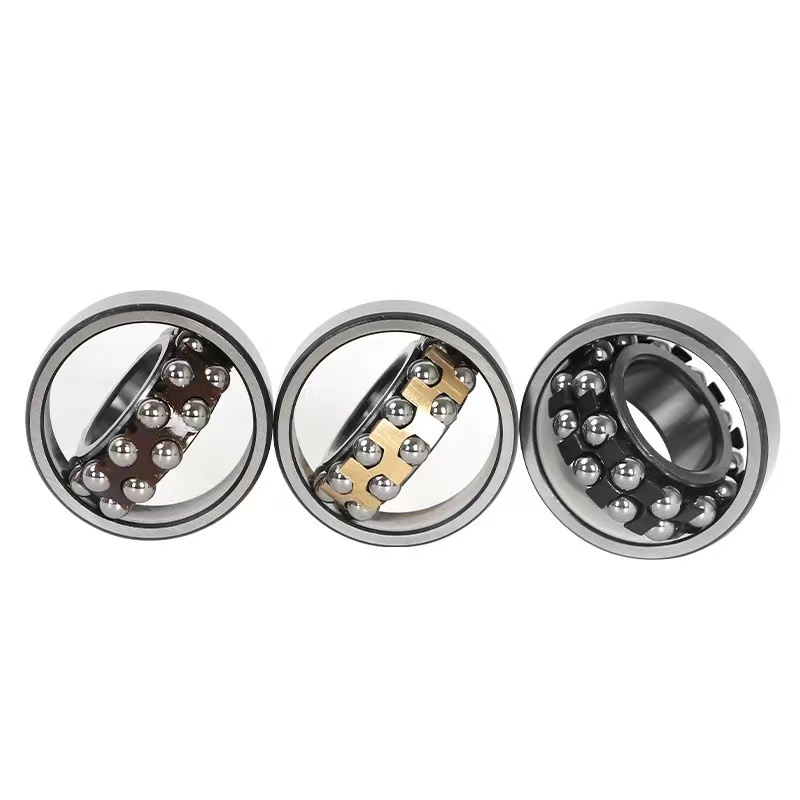
A self-aligning ball bearing is a self-aligning ball bearing that typically consists of an inner ring, an outer ring, rolling elements (balls), and a cage. The inner surface of the outer ring is spherical, while the outer surface of the inner ring is flat. This design allows the bearing to self-adjust within a certain range to accommodate shaft eccentricity and misalignment..
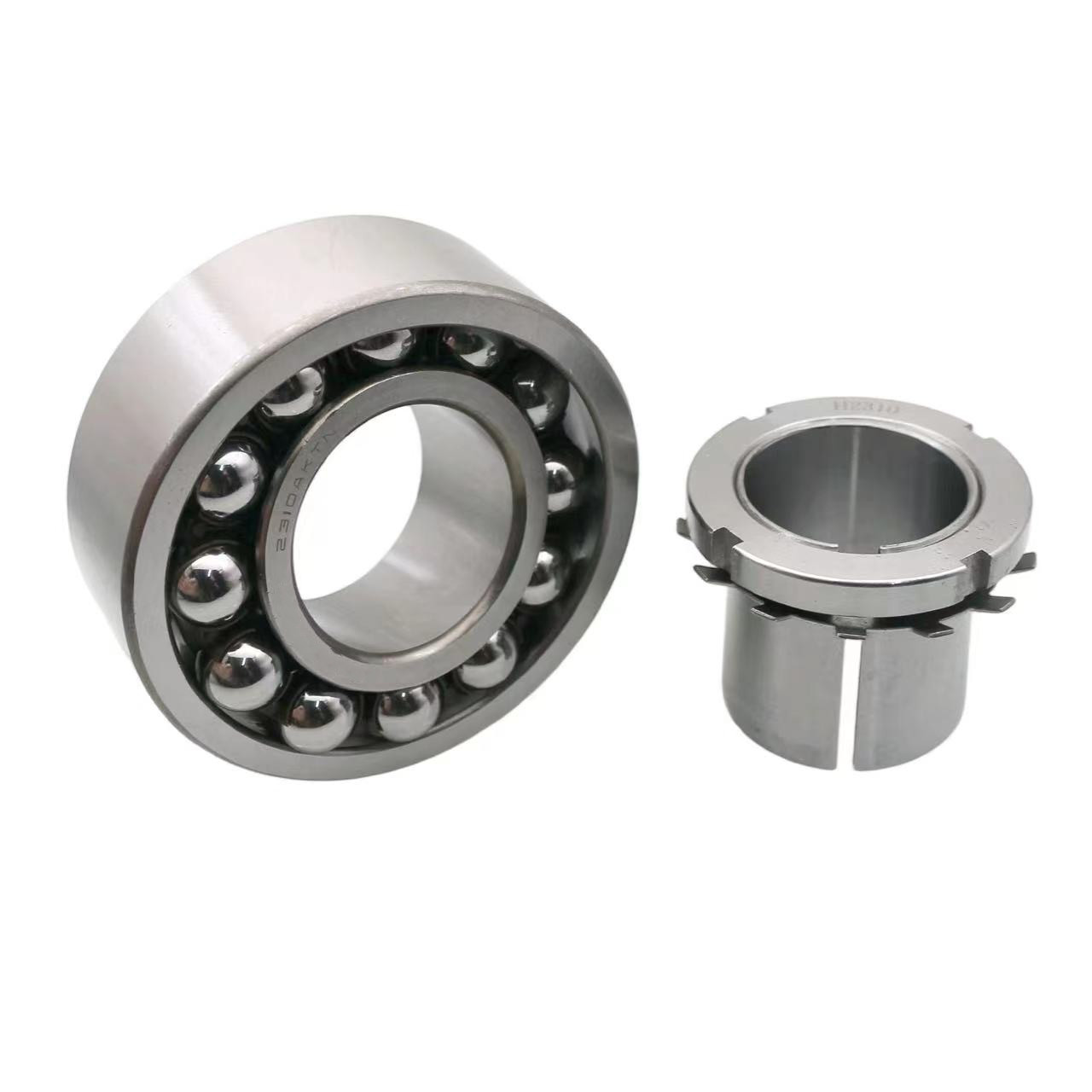
Self-aligning ball bearing can withstand both large radial loads and moderate axial loads. The outer ring raceway of this type of bearing is spherical, providing self-aligning performance. Even when the shaft is bent or tilted by forces, causing the inner ring centerline to tilt within 1° to 2.5° relative to the outer ring centerline, the bearing will still function. The inner bore of a self-aligning ball bearing is available in either cylindrical or conical shapes. The taper of the conical bore is 1:12 or 1:30. To enhance the bearing's lubrication performance, an annular oil groove and three oil holes are machined into the outer ring.
Thank you very much for writing to us. Please leave your message and contact information, we will reply to you within 24 hours.